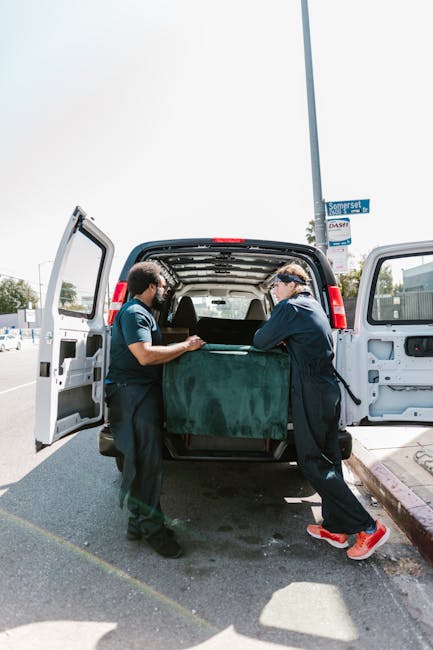
Isle of Dogs house removals E14 parking tips
Posted on 30/06/2026
Isle of Dogs house removals E14 parking tips: a practical local guide for a calmer moving day
Moving home in the Isle of Dogs can feel oddly simple on paper and then suddenly complicated the moment a van turns up. Tight roads, permit bays, double parking risks, flat access, busy morning traffic, and the general squeeze of E14 all combine to make parking one of the biggest moving-day stress points. That is exactly why Isle of Dogs house removals E14 parking tips matter. Get the parking and loading plan right, and the rest of the move usually settles down nicely. Get it wrong, and even a well-organised house move can start to feel messy fast.
This guide breaks down what to think about before moving day, how parking usually works around Isle of Dogs homes, where delays creep in, and how to stay sensible about access, timing, and compliance. If you are weighing up a broader move across Docklands too, you may also find our house removals in Docklands page useful alongside removal services in Docklands and our practical guidance on packing and boxes in Docklands.
Truth be told, parking is rarely glamorous. But on a moving day it is the thing that decides whether the crew can get started smoothly or spend the first 20 minutes circling the block. Let's make sure you are on the right side of that.
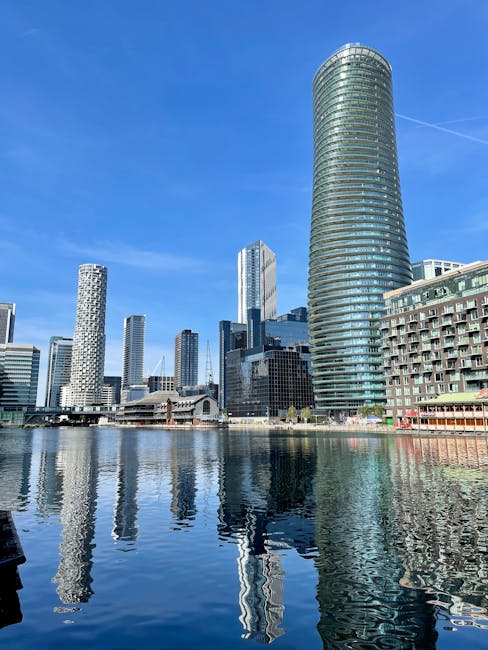
Why Isle of Dogs house removals E14 parking tips Matters
In the Isle of Dogs, parking is not just a background detail. It affects loading time, crew safety, neighbour relations, and whether your move runs to schedule. Many streets around E14 are a mix of residential blocks, permit-controlled bays, restricted waiting areas, and roads where a large van can block traffic if it is positioned badly for even a few minutes.
If you are moving from a flat in a newer development, you may have basement access, service yards, or a concierge desk to work around. If you are leaving a terraced house or a converted property, you may have narrow frontages and limited space for a vehicle to stop. Either way, the parking arrangement shapes the whole day.
There is also the simple point that removal crews do their best work when they can load directly, rather than carry items from a distant bay or spend time shuffling around parked cars. A short walk may sound harmless, but by the tenth box or the second sofa, it becomes a real drag. Not dramatic. Just exhausting.
Local knowledge helps. That is why area-specific advice matters more than a generic "arrive early" suggestion. For readers planning the move itself, our man with van Docklands and man and a van Docklands pages may also be relevant, especially if your move is smaller or more access-sensitive.
How Isle of Dogs house removals E14 parking tips Works
The practical idea is straightforward: plan where the removal vehicle will stop, how long it can stay there, and how the loading route will work from the property to the van. In E14, that usually means checking three things at the same time:
- Legal stopping space - whether a bay, loading area, or temporary stopping point is available.
- Building access - whether lifts, stairs, concierge procedures, or door codes change the loading pattern.
- Timing - whether the time of day reduces conflict with commuters, neighbours, school runs, or deliveries.
In many cases, your removal provider will advise on the type of vehicle that makes sense. A large removal van may be ideal for volume, but a smaller vehicle may be easier if access is tight or the road layout is awkward. For some homes, especially flats, flat removals in Docklands can be the smarter route because access planning is built into the job from the start.
Think of it like this: the move is not only about what you are transporting. It is also about how the van meets the building. That meeting point is where most delays happen.
What usually needs checking in advance
- Bay restrictions and any residential permit requirements
- Whether loading is allowed and for how long
- Potential road narrowness or one-way access
- Any time restrictions near schools, shops, or busy junctions
- Lift booking slots and concierge sign-in processes
- Distance from the parking point to the front door
Key Benefits and Practical Advantages
Good parking planning does more than save time. It reduces friction across the whole move. Here are the benefits people notice most often.
- Less carrying distance - which matters a lot for heavy furniture and awkward items.
- Faster loading - the crew can work in a rhythm instead of waiting on access.
- Lower risk of damage - fewer handovers and shorter carries usually mean fewer bumps.
- Less stress for neighbours - no one enjoys blocking a driveway or leaving a van half in the road.
- Better timekeeping - which is helpful if your keys, lift booking, or handover slot is fixed.
There is a quieter advantage too: when you have a plan, the move feels less reactive. You are not improvising at the kerbside, which is where a lot of avoidable tension starts. And to be fair, moving day already gives you enough to think about.
If your home contains bulky pieces, it can also help to look ahead at specialist handling, especially for large wardrobes, tables, or delicate items. Our furniture removals Docklands page and piano removals Docklands page are useful if your move includes awkward or high-value items.
Who This Is For and When It Makes Sense
This advice is relevant to a wide range of movers, but it is especially useful if you fall into one of these groups:
- Flat movers in E14 who need to coordinate parking with lifts, loading bays, or concierge access.
- House movers dealing with narrow streets or limited frontage.
- Families with a lot of furniture, children's items, and a fixed handover schedule.
- Professionals on a deadline who cannot afford a long delay between keys, movers, and building access.
- Students and first-time movers who may not yet know how local parking restrictions work.
If your move is smaller, a flexible vehicle may suit you better. If you are in a pinch, same-day or short-notice support can also be relevant. For those situations, same day removals Docklands and student removals Docklands are worth a look.
Sometimes the decision is simply about realism. If the road outside your building is too tight for a large van, it may be smarter to use a smaller vehicle and a more considered loading plan than to hope the bigger van will somehow fit. Hope is not a parking strategy. Sadly.
Step-by-Step Guidance
Here is a practical way to handle parking for an Isle of Dogs house move without overcomplicating it.
- Inspect the road outside your property
Stand outside at the time of day you expect the van to arrive. The street can feel completely different at 8:00am versus 1:00pm. Note where cars usually sit, where a van might reasonably stop, and whether loading would block a key route. - Check building rules
Some developments have visitor bays, time-limited loading spaces, or concierge procedures. Others require pre-booked access for service vehicles. Get the details early, because a small misunderstanding can cost you a surprising amount of time. - Decide the best vehicle size
Not every move benefits from the biggest van. For tighter access, a smaller removal van may be easier to park and manoeuvre. If in doubt, discuss the layout honestly with your mover. Photos help a lot here. - Reserve or arrange parking where possible
Where formal parking arrangements are needed, deal with them well before moving day. Leave no room for "we'll sort it on the day" unless the access is genuinely flexible. - Plan the carry route
Measure the distance from parking spot to front door, lift, or lobby. If there are stairs, shared corridors, or awkward turns, factor them in. A five-minute carry can become fifteen if the route is clumsy. - Communicate arrival timing clearly
Ask the crew to confirm when they are likely to reach the area, then keep a realistic buffer. Docklands traffic and local road conditions can change quickly, especially around busy commute windows. - Prepare the property before the van arrives
Boxes should be sealed, furniture ready to move, and fragile items separated. The parking plan works best when the property itself is move-ready.
If you are moving out of a larger home or coordinating business inventory at the same time, you may also need storage in Docklands or support with office removals Docklands if part of the move is not happening in one go.
Expert Tips for Better Results
Over time, a few habits make the biggest difference. None of them are flashy, but they work.
- Use photos, not vague descriptions. A picture of the front of your building and the road outside is worth a long phone explanation.
- Book the move for quieter hours when possible. Early mornings can help, though they are not always ideal for everyone. Mid-morning often strikes a better balance.
- Tell the mover about access quirks. Low bridges, height-restricted car parks, step-heavy entrances, and awkward turning points should all be mentioned upfront.
- Separate what needs the van most urgently. If parking is limited, have essentials and bulky items prioritised so the load order is sensible.
- Leave a little breathing room. A compact parking plan is fine. A microscopic one is not.
One of the best local tricks is to think like a driver, not just a resident. Ask yourself: where would I want to stop if I were in a large vehicle and needed to work quickly without annoying half the street? That mindset tends to produce better decisions than simply looking for the nearest empty space.
If you want a fuller sense of how different moving services fit together, our services overview and removal services Docklands pages can help you compare options in a sensible way.

Common Mistakes to Avoid
Most moving-day parking problems are predictable. That is the frustrating part. The good news is that they are usually avoidable.
- Assuming the van can just stop outside. In E14, that assumption can be expensive in time and patience.
- Ignoring loading restrictions. A bay may look free but still be unsuitable for a removal vehicle.
- Forgetting about lift booking or concierge rules. Great parking means very little if the building itself is not ready.
- Choosing a vehicle size before checking access. Bigger is not always better. Sometimes it is just harder to place.
- Leaving packing until the morning of the move. Parking issues are much easier to handle when the property is packed and organised.
- Not telling neighbours or building staff. A bit of notice can reduce complaints and help avoid conflict at the kerbside.
A surprisingly common one? Underestimating how far a "short walk" actually is when you are carrying a mattress. You feel it in your shoulders pretty quickly.
Tools, Resources and Recommendations
You do not need a pile of specialist gear, but a few simple tools make parking and access planning easier.
- Phone photos of the road, entrance, and any parking signs.
- Measuring tape for doorways, corridors, and furniture clearance.
- Notepad or move sheet to capture access instructions, vehicle notes, and timing.
- Box labels so loading order is easier if parking space is limited.
- Building contact details for concierge, landlord, or managing agent if you need confirmation on access.
It also helps to keep your move details in one place: arrival time, van size, parking instructions, lift reservation, and key collection plan. Simple, yes. But simple is good on moving day.
For practical planning around move prep, our packing and boxes Docklands page is a helpful companion, and if you need broader support across the area, removals Docklands provides a wider starting point.
Law, Compliance, Standards, or Best Practice
Parking for removals is not something to improvise casually, because road restrictions and building access rules can create real problems if ignored. While the exact rules vary by street, estate, and borough, a few best-practice principles apply in most E14 moves.
- Do not obstruct traffic unnecessarily. A removal van stopping badly can affect other road users very quickly.
- Respect permit, loading, and time-limited bays. If a space is not suitable for a commercial vehicle or active loading, do not assume it is fine just because it is empty.
- Follow building access requirements. Many managed developments have their own moving procedures, especially for lifts, protection, and service routes.
- Protect people and property. Safe lifting, sensible walking routes, and careful manoeuvring are standard expectations, not optional extras.
Good movers also work with insurance and safety in mind. If something feels off, slow it down rather than forcing the issue. That is especially true in busy urban areas where a rushed parking decision can create a knock-on effect. For more background, the pages on insurance and safety and health and safety policy are useful references.
There is also a broader professional norm here: communicate clearly, keep the access route clear, and plan for the building environment you actually have, not the one you wish you had. Small distinction. Big difference.
Options, Methods, or Comparison Table
Different homes in Isle of Dogs call for different parking approaches. The right one depends on the building, the street, and how much furniture you are moving.
| Parking approach | Best for | Strengths | Watch-outs |
|---|---|---|---|
| Direct outside stop | Quiet residential streets with enough space | Fast loading, short carry distance | Can be hard to secure in busy E14 locations |
| Loading bay or managed bay | Modern developments and concierge-managed blocks | More organised, usually safer for loading | Often needs advance approval or time limits |
| Nearby legal parking with short carry | Stricter roads or limited frontage | Flexible when immediate stopping is impossible | Longer carry, more labour, slower overall |
| Smaller vehicle strategy | Tight streets or awkward access | Easier parking and manoeuvring | May require more careful load planning or multiple runs |
In practice, many Isle of Dogs moves end up as a hybrid. A smaller vehicle may park well, while a loading bay may be ideal for furniture but not for every stage of the move. The best option is the one that fits the property, not the one that sounds best on paper.
If your access is especially tight, the guidance in our Canary Wharf flat removals guide for tight access can be a useful related read because many of the same real-world constraints show up across the wider Docklands area.
Case Study or Real-World Example
Imagine a couple moving out of a riverside flat in E14 on a weekday morning. Their building has a managed entrance, one lift, and a narrow service road nearby. At first glance, it looks manageable. But when they check more closely, they realise the street parking is tight, the nearest bay is time-limited, and the lift can only be booked for a fixed window.
They solve it by doing three simple things early: they send photos of the entrance and road to the removal team, they confirm the lift slot with the building manager, and they agree to use a slightly smaller van rather than forcing a larger one into a difficult spot. Nothing magical. Just sensible coordination.
On the day, the van gets into position, the crew starts loading immediately, and the carry route stays short enough to keep the pace steady. The move still feels like a move, of course. Boxes everywhere, that familiar scuff of tape, a door propped open, a bit of sweat by late morning. But it runs cleanly enough that everyone gets on with it.
That is the point of parking tips in a place like the Isle of Dogs. They are not about making moving day perfect. They are about making it manageable.
Practical Checklist
Use this checklist a day or two before the move.
- Confirm the exact moving date and arrival window
- Check whether your building needs lift booking or concierge sign-in
- Review parking restrictions outside the property
- Take photos of the frontage, road, and nearest stopping points
- Measure any awkward entrances or stair turns
- Tell the mover about large or delicate items
- Decide whether a smaller van would make access easier
- Prepare boxes, labels, and protective wrapping in advance
- Keep phone numbers for building contacts handy
- Allow extra time for traffic, loading, and unexpected access issues
Quick takeaway: in Isle of Dogs moves, parking is rarely the only issue, but it often sets the tone for everything else. Plan it early, keep the route short, and choose the vehicle and timing that suit the property you actually have.
Conclusion
Parking might not be the most exciting part of a house move, but in E14 it is one of the most decisive. The best Isle of Dogs house removals E14 parking tips are simple: know the street, respect the building rules, pick the right vehicle, and make the loading route as short and clear as you can. When those pieces line up, the move usually feels calmer, quicker, and less chaotic than people expect.
If you are preparing a move in the area, a little early planning goes a long way. And if the street outside looks tight or awkward, that is not a disaster. It just means the plan needs to be a bit smarter. That happens all the time, really.
Get a free quote today and see how much you can save.